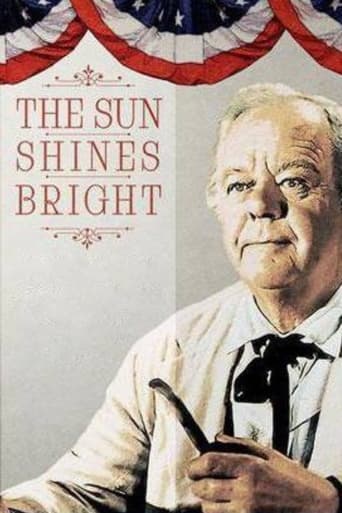
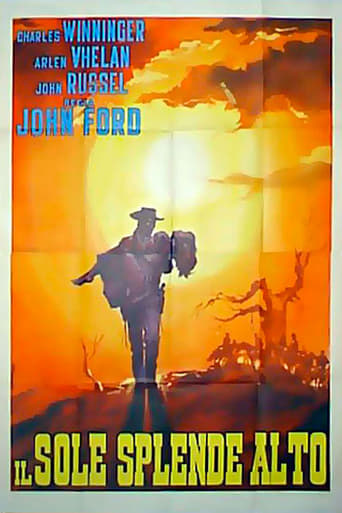
The Sun Shines Bright
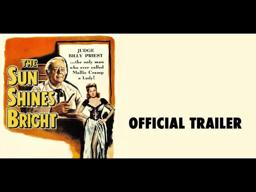
JUDGE BILLY PRIEST...the only man who ever called Mallie Crump a Lady
1953 | 102m | English
Popularity: 0.7 (history)
| Director: | John Ford |
|---|---|
| Writer: | Laurence Stallings, Irvin S. Cobb |
| Staring: |



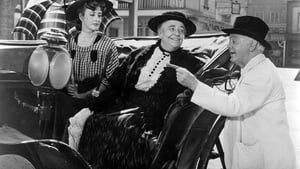
| With the election approaching, a judge in a Southern town at the turn of the 20th century is involved variously in revealing the real identity of a young woman, reliving his Civil War memories, and preventing the lynching of an African youth. | |
| Release Date: | May 02, 1953 |
|---|---|
| Director: | John Ford |
| Writer: | Laurence Stallings, Irvin S. Cobb |
| Genres: | Drama, Comedy |
| Keywords | dancing, judge, small town, kentucky, election, yankee |
| Production Companies | Argosy Pictures, Republic Pictures |
| Box Office |
Revenue: $0
Budget: $0 |
| Updates |
Updated: Jan 29, 2026 Entered: Apr 20, 2024 |



















| Name | Character |
|---|---|
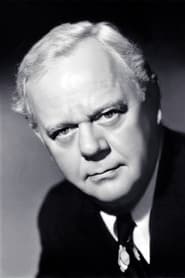
| Charles Winninger | William Pittman Priest |
| Arleen Whelan | Lucy Lee Lake |
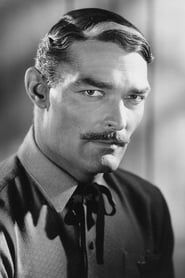
| John Russell | Ashby Corwin |
| Stepin Fetchit | Jeff Poindexter |
| Russell Simpson | Lewt Lake |
| Ludwig Stössel | Herman Felsburg |
| Francis Ford | Feeney |
| Paul Hurst | Jimmy Bagby |
| Mitchell Lewis | Andy Redcliffe |
| Grant Withers | Buck Ramsey |
| Milburn Stone | Horace K. Maydew |
| Dorothy Jordan | Lucy Lee's Mother |
| Elzie Emanuel | U.S. Grant 'You Ess' Woodford |
| Henry O'Neill | Joe D. Habersham |
| Slim Pickens | Sterling |
| James Kirkwood | General Fairfield |
| Ernest Whitman | Pleasant 'Uncle Plez' Woodford |
| Trevor Bardette | Rufe Ramseur |
| Eve March | Mallie Cramp |
| Hal Baylor | Rufe Ramseur Jr. |
| Jane Darwell | Aurora Ratchitt |
| Ken Williams | Maydew's Henchman |
| Clarence Muse | Uncle Zack |
| Mae Marsh | GAR Woman at the Ball |
| Wilbur Mack | Party Guest at Ball (uncredited) |
| Jack Perrin | Townsman (uncredited) |
| Patrick Wayne | Cadet (uncredited) |
| Chuck Hayward | Deputy (uncredited) |
| Name | Job |
|---|---|
| John Ford | Director |
| Laurence Stallings | Screenplay |
| Barbara Ford | Assistant Editor |
| Archie Stout | Director of Photography |
| Jack Murray | Editor |
| Frank Hotaling | Art Direction |
| John McCarthy Jr. | Set Decoration |
| George Milo | Set Decoration |
| Adele Palmer | Costume Design |
| James R. Barker | Makeup Artist |
| T.A. Carman | Sound |
| Howard Wilson | Sound |
| Melvin M. Metcalfe Sr. | Sound |
| Irvin S. Cobb | Story |
| Victor Young | Music |
| Name | Title |
|---|---|
| Merian C. Cooper | Producer |
| John Ford | Producer |
| Organization | Category | Person |
|---|
Popularity History
| Year | Month | Avg | Max | Min |
|---|---|---|---|---|
| 2024 | 4 | 6 | 10 | 4 |
| 2024 | 5 | 8 | 15 | 3 |
| 2024 | 6 | 7 | 15 | 3 |
| 2024 | 7 | 8 | 16 | 4 |
| 2024 | 8 | 8 | 15 | 4 |
| 2024 | 9 | 6 | 10 | 4 |
| 2024 | 10 | 6 | 14 | 3 |
| 2024 | 11 | 5 | 12 | 2 |
| 2024 | 12 | 4 | 6 | 2 |
| 2025 | 1 | 4 | 8 | 3 |
| 2025 | 2 | 3 | 6 | 1 |
| 2025 | 3 | 3 | 7 | 1 |
| 2025 | 4 | 1 | 2 | 1 |
| 2025 | 5 | 1 | 2 | 1 |
| 2025 | 6 | 1 | 1 | 1 |
| 2025 | 7 | 0 | 0 | 0 |
| 2025 | 8 | 0 | 1 | 0 |
| 2025 | 9 | 3 | 5 | 1 |
| 2025 | 10 | 4 | 5 | 3 |
| 2025 | 11 | 1 | 2 | 0 |
| 2025 | 12 | 1 | 2 | 0 |
| 2026 | 1 | 1 | 4 | 0 |
| 2026 | 2 | 0 | 1 | 0 |
| 2026 | 3 | 0 | 1 | 0 |
| 2026 | 5 | 0 | 0 | 0 |
Trending Position
"Priest" (Charles Winninger) is a Kentucky judge who is coming up for re-election and it's going to be a tough challenge. The town is divided roughly along the lines of an old Civil war mentality, congenially enough amongst the white folks but still consigning the black population to their tradition ... al societal sub-strata. The judge's chances of winning become distinctly precarious when he intervenes in one case where a lawless bunch are apt to lynch a young man for an alleged crime against a white girl. Their evidence seems predicated solely on the racket caused by their bloodhounds and this is a man of principal who requires the rule of law to be upheld. His beliefs cause him yet further problems as a tragedy befalls the community that causes him, yet again, to take a stance that isn't going to win him many supporters either. Along the way, we delve a little into the history of the townsfolk during the war and the whole thing is underpinned with a geniality that Winninger delivers well. It emphasises the value of community, but only when community values and enforces it's own standards. Shame and, to a degree, contrition, are used quite successfully here to illustrate those points - but it's all presented in a light-hearted fashion. Can he win the vote, though?